

In the annals of human history, the alchemist sought the Philosopher’s Stone – a mythical substance capable of transmuting base metals into noble gold, and perhaps, even granting eternal life.
Their quest was one of transformation, of unlocking the hidden potential within matter through careful manipulation, heat, and arcane knowledge.
Today, a modern parallel exists, not in dusty laboratories filled with alembics and crucibles, but in the sleek, pocket-sized device known as the THC vape pen.

This unassuming tool, this “Alchemist’s Wand,” performs its own kind of magic: transforming potent cannabis concentrate – the refined essence of the plant – into a pure, immediate, and controllable experience.
This isn’t merely about getting high; it’s about the sophisticated process of isolating, refining, and delivering the very soul of cannabis – its cannabinoids and terpenes – in a form that bypasses the raw, often harsh, nature of combustion.
It’s about precision, flavour, and a tailored journey. Let’s delve deep into this modern alchemy, exploring how the humble vape pen takes the concentrated “prima materia” of cannabis and transmutes it into the experiential gold of pure vapor.
I. The Prima Materia: Unpacking the Essence – Cannabis Concentrates
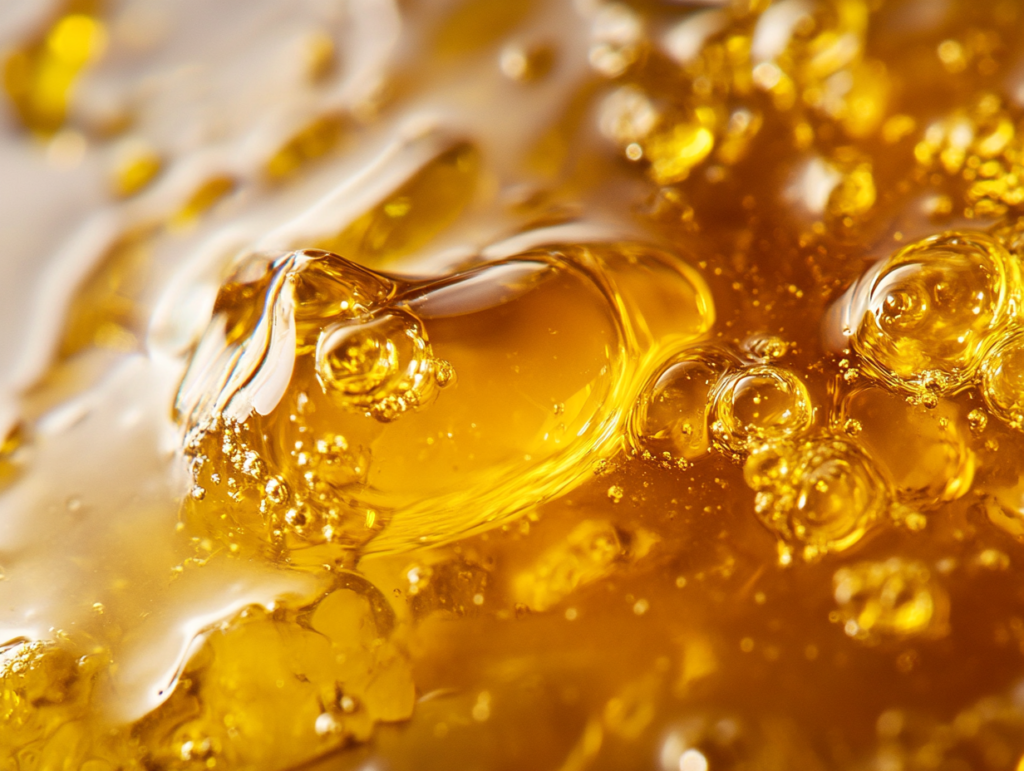
Before the wand can work its magic, we must understand the substance it transforms. Cannabis concentrates are the potent heart of the matter, the result of processes designed to isolate the most desirable compounds – primarily cannabinoids like THC and CBD, and aromatic terpenes – from the raw plant material. Think of it as distilling a fine spirit from grain, or extracting essential oil from flowers. The goal is concentration, purity, and potency.
- Why Concentrate? Raw cannabis flower typically contains THC levels ranging from 10% to 30%. Concentrates, however, can boast potencies soaring from 50% to over 90%. This efficiency means less material is needed to achieve desired effects, offering a different kind of experience – often cleaner, more intense, and faster-acting.
- The Art of Extraction: Creating these concentrates is an alchemical process in itself, broadly falling into two categories:
- Solvent-Based Extraction: This involves using solvents like butane (BHO – Butane Hash Oil), propane (PHO), CO2, or ethanol to strip the cannabinoids and terpenes from the plant matter. The solvent is then meticulously purged, ideally leaving behind a pure, potent oil. Products like shatter, wax, budder, and distillate often result from these methods. CO2 extraction is particularly prized for its ability to selectively extract compounds at different pressures and temperatures, often resulting in cleaner, terpene-rich oils.
- Solventless Extraction: These methods rely on physical manipulation and temperature changes, avoiding chemical solvents entirely. Traditional hash-making falls here, as does the increasingly popular Rosin production. Rosin is created by applying precise heat and pressure to cannabis flower or hash, literally squeezing out the resinous oils. It’s revered for capturing a full spectrum of the plant’s compounds, reflecting its original profile closely. Ice water hash (bubble hash) is another solventless method, using cold water and agitation to separate trichomes.
- A Spectrum of Textures and Profiles: The world of concentrates is diverse:
- Distillate: Highly refined, often clear or light yellow, with THC levels potentially exceeding 90%. The refinement process typically strips away most native terpenes, which are sometimes reintroduced later (either cannabis-derived or botanically-derived) to add flavour and modulate effects. It offers potent, predictable effects but can lack the nuanced complexity of other forms.
- Live Resin: A connoisseur’s favourite. This concentrate is made from cannabis plants flash-frozen immediately after harvest, before drying and curing. This process preserves a much higher concentration of volatile terpenes, which are often lost during drying. The result is an intensely aromatic and flavourful oil that provides a vibrant, full-bodied experience closely mimicking the living plant – the “entourage effect” in full swing.
- Rosin: As mentioned, solventless and celebrated for its purity and full-spectrum nature. Depending on the starting material and process, it can range from a sticky sap to a stable, batter-like consistency. Live Rosin (made from fresh-frozen material, like Live Resin, but using solventless methods) is considered by many to be the pinnacle of concentrate quality.
- Full-Spectrum Oil (FSO) / Rick Simpson Oil (RSO)-style: Often darker and thicker, these aim to capture the widest possible range of cannabinoids, terpenes, and other plant compounds, often including fats and lipids. While less common in standard vape pens due to viscosity, specialized devices can handle them. They are valued for potential therapeutic benefits attributed to the synergistic action of all compounds.
Understanding these different forms of “prima materia” is crucial, as each interacts uniquely with the vape pen and delivers a distinct experience. The alchemist must know their ingredients.
II. The Wand Itself: Anatomy of a Modern Marvel
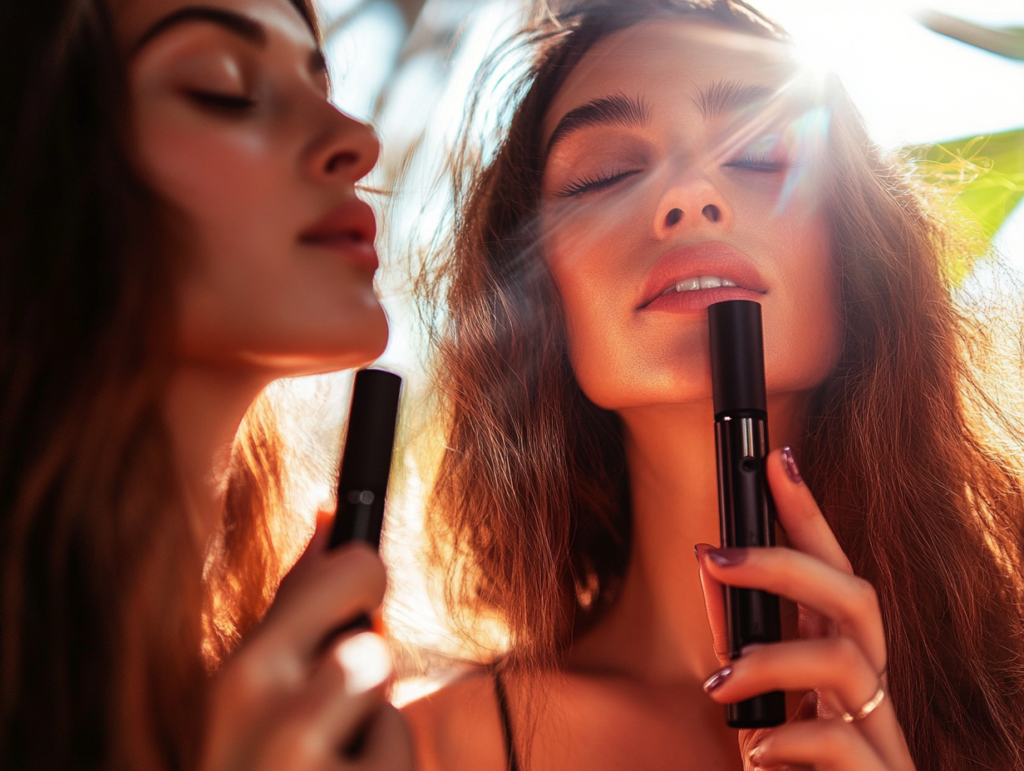
The vape pen appears simple, often just a battery connected to a cartridge. Yet, within this minimalist design lies sophisticated technology engineered for a specific task: controlled vaporization.
- The Power Source: The Battery
- This is the engine of the operation, providing the electrical energy needed for heating. Early vape pens had simple, single-voltage batteries. Modern devices offer more control:
- Variable Voltage/Wattage: Allows the user to adjust the power output. Lower settings typically preserve flavour (terpenes are volatile), while higher settings produce larger clouds and potentially more intense effects, sometimes at the cost of flavour nuance.
- Temperature Control (TC): More advanced batteries allow users to set a specific temperature. The device then modulates power to maintain that temperature, offering the most precise control over the vaporization process and preventing overheating or burning of the oil. This is the true alchemist’s tool for fine-tuning the experience.
- Draw-Activated vs. Button-Activated: Draw-activated batteries heat up when the user inhales, offering simplicity. Button-activated batteries require pressing a button to heat the coil, giving more direct control over pre-heating and hit duration.
- This is the engine of the operation, providing the electrical energy needed for heating. Early vape pens had simple, single-voltage batteries. Modern devices offer more control:
- The Heart of Transformation: The Atomizer
- This is where the magic truly happens. The atomizer is the heating element within the cartridge (or sometimes integrated into the pen itself in pod systems or concentrate vaporizers) that receives power from the battery and heats the concentrate. Key components include:
- The Coil: A wire (often Kanthal, stainless steel, or titanium) that heats up when electricity passes through it.
- The Wick/Heating Chamber: This material absorbs the concentrate and holds it in contact with the coil. The choice of material significantly impacts performance and flavour:
- Wick Systems (Older Tech): Often used silica or cotton wicks. Prone to burning (producing harsh taste), inconsistent heating, and potential flavour interference. Largely phased out in quality cartridges.
- Ceramic Coils: The current standard for quality cartridges. Porous ceramic material acts as both the wick and the heating chamber. It offers even heating, excellent heat retention, and importantly, a clean, neutral flavour profile that allows the terpenes in the concentrate to shine through. Ceramic is less prone to burning the oil, preserving the integrity of the experience.
- Quartz Coils: Sometimes found in dab pens or specific cartridges, quartz heats up very quickly, offering rapid vapor production and clean flavour, but may not retain heat as evenly as ceramic.
- This is where the magic truly happens. The atomizer is the heating element within the cartridge (or sometimes integrated into the pen itself in pod systems or concentrate vaporizers) that receives power from the battery and heats the concentrate. Key components include:
- The Vessel: The Cartridge/Tank
- This holds the precious concentrate. Typically made of glass or high-quality plastic, it houses the atomizer and the oil, with a mouthpiece for inhalation. The standard “510 Thread” cartridge is ubiquitous, fitting most batteries, offering interchangeability. Pod systems use proprietary cartridges specific to their battery type. Build quality matters here – poorly sealed cartridges can leak, and inferior materials might leach unwanted substances into the oil.
Together, these components form a system designed for controlled, efficient heating, turning the thick, viscous concentrate into an inhalable aerosol – the vapor.

III. The Great Work: The Science and Magic of Vaporization
The core principle differentiating vaping from smoking is the temperature.
Combustion, the process of burning cannabis flower in a joint or pipe, occurs at high temperatures (500°C – 900°C / 932°F – 1652°F).
This intense heat burns the plant material, releasing cannabinoids and terpenes but also creating a host of undesirable byproducts – tar, carcinogens, and particulate matter – resulting in smoke.
Vaporization, however, is a gentler art. The vape pen’s atomizer heats the concentrate to a temperature sufficient to aerosolize the cannabinoids and terpenes (typically between 160°C – 230°C / 320°F – 446°F), but below the point of combustion.
- The Physics of Phase Change: The heat energy supplied by the coil is transferred to the concentrate absorbed in the wick or ceramic element. This energy increases the kinetic energy of the cannabinoid and terpene molecules, causing them to transition from a liquid/solid state into a gaseous state, forming fine droplets suspended in air – the vapor.
- Terpene Preservation – The Flavor Key: Terpenes are highly volatile aromatic compounds, each with its own unique boiling point, often lower than cannabinoids. The precise temperature control offered by vaping, especially with TC devices or variable voltage batteries used judiciously, allows users to target specific temperature ranges. Lower temperatures (e.g., 160°C – 180°C / 320°F – 356°F) tend to vaporize the most volatile terpenes first, delivering incredibly rich and nuanced flavour profiles. Higher temperatures (e.g., 190°C – 220°C / 374°F – 428°F) vaporize more cannabinoids, leading to denser vapor and stronger effects, but potentially sacrificing some delicate top-note terpenes. This ability to “fractionally vaporize” based on temperature is impossible with combustion.
- Efficiency and Purity: Because vaporization avoids burning plant matter, the resulting aerosol contains a much higher concentration of the desired cannabinoids and terpenes relative to unwanted byproducts. This means a cleaner taste, less irritation to the throat and lungs (for many users), and potentially greater bioavailability – more of the active compounds reach your bloodstream.
This controlled heating is the crux of the vape pen’s alchemy – selectively releasing the essence without destroying it, transforming the raw potential of the concentrate into a refined, inhalable form.
IV. Distilling the Essence: The “Pure Experience” Unveiled
What does this transformation ultimately yield for the user? The “pure experience” delivered by a quality vape pen offers several distinct advantages:
- Unparalleled Flavour: For the connoisseur, this is perhaps the most significant benefit. By preserving terpenes, vaping allows the intricate aromatic bouquets of different cannabis strains – the citrusy zing of Limonene, the piney notes of Pinene, the earthy musk of Myrcene, the floral hints of Linalool – to be experienced with clarity and fidelity unmatched by smoking. Vaping a high-quality Live Resin or Rosin cartridge can be a true gustatory journey.
- Rapid Onset and Control: Like smoking, inhalation provides rapid delivery of cannabinoids to the bloodstream via the lungs, with effects typically felt within minutes. However, vaping offers superior control. Users can take small, measured puffs (“microdosing”) to achieve subtle effects, or longer draws for more intensity. The predictable nature of concentrates (knowing the THC percentage) combined with controlled inhalation allows for more precise titration of the experience compared to the variability of flower.
- Discretion and Convenience: Vape pens produce vapor, not smoke. While not entirely odorless, the aroma is significantly less pungent and dissipates much faster than cannabis smoke. This “stealth factor,” combined with the pen’s small size and lack of need for lighters or other paraphernalia, makes vaping incredibly convenient and discreet for use in various settings where smoking would be impractical or undesirable. It’s the epitome of portable elevation.
- Consistency: A well-made cartridge from a reputable source, paired with a reliable battery, offers a remarkably consistent experience from puff to puff and cartridge to cartridge (within the same batch/product line). This predictability is highly valued by both recreational users seeking specific moods or effects, and medical patients needing reliable dosing.
V. Choosing Your Tools: Selecting Pen and Potion Wisely
The modern alchemist has choices. Selecting the right “wand” (battery) and “potion” (concentrate/cartridge) is key to achieving the desired transformation:
- The Battery:
- Beginner: A simple, fixed-voltage, draw-activated 510-thread battery is easy to use and widely compatible.
- Intermediate: A button-activated battery with variable voltage settings offers more control over flavour and cloud production.
- Advanced/Connoisseur: A temperature control battery provides the ultimate precision for exploring terpene profiles and optimizing the experience. Consider battery life (mAh rating) and form factor (pen-style, palm-style).
- The Cartridge/Concentrate:
- Consider Your Goals: Are you prioritizing potent effects (Distillate might be suitable)? Or are you chasing authentic flavour and nuanced effects (Live Resin or Rosin would be ideal)? Do you prefer the clean profile of CO2 oil or the full-spectrum nature of Rosin?
- Quality is Paramount: This cannot be overstated. Choose cartridges from reputable, licensed brands that provide third-party lab testing results (Certificates of Analysis – COAs). These tests verify potency (THC/CBD levels) and screen for harmful contaminants like pesticides, heavy metals, residual solvents, and dangerous cutting agents (like Vitamin E Acetate, infamously linked to EVALI). Avoid illicit market cartridges at all costs – the risks are simply too high.
- Hardware Matters: Look for cartridges using quality materials, particularly ceramic heating elements and glass tanks. Poorly constructed cartridges can leak, clog, or deliver a burnt taste.
VI. The Alchemist’s Responsibility: Safety, Quality, and Mindful Use
With great power comes great responsibility. The potency and convenience of THC vape pens necessitate a mindful approach:
- Source Safely: Always purchase vape pens and cartridges from legal, licensed dispensaries or retailers. The illicit market is unregulated and poses significant health risks due to potential contaminants and unknown additives.
- Understand Potency: Concentrates are strong. If you are new to vaping or cannabis, start with a very small puff (1-2 seconds) and wait 10-15 minutes to gauge the effects before consuming more. “Start low and go slow” is crucial advice.
- Listen to Your Body: Pay attention to how different concentrates, temperatures, and dosages affect you. Everyone’s endocannabinoid system is unique.
- Maintain Your Wand: Keep your battery charged and clean the connection points periodically to ensure good contact with the cartridge. Store cartridges upright in a cool, dark place to prevent leaks and degradation.
The Ongoing Transmutation
The THC vape pen, far from being a mere gadget, represents a significant evolution in cannabis consumption – a modern Alchemist’s Wand.
It takes the concentrated essence of the plant, the carefully extracted cannabinoids and terpenes, and through the controlled application of heat, transforms it into an immediate, flavourful, and highly customizable experience.
This process – from the meticulous cultivation and extraction of the concentrate to the precise engineering of the pen and the final act of vaporization – is a testament to the ongoing human desire to refine, understand, and harness the power of nature.
While it may not turn lead into gold, the vape pen undoubtedly transforms the raw potential of cannabis concentrate into something equally valuable for many: a pure, controlled, and elevated experience, accessible at the touch of a button or the draw of a breath.
The alchemy continues, one puff at a time.