
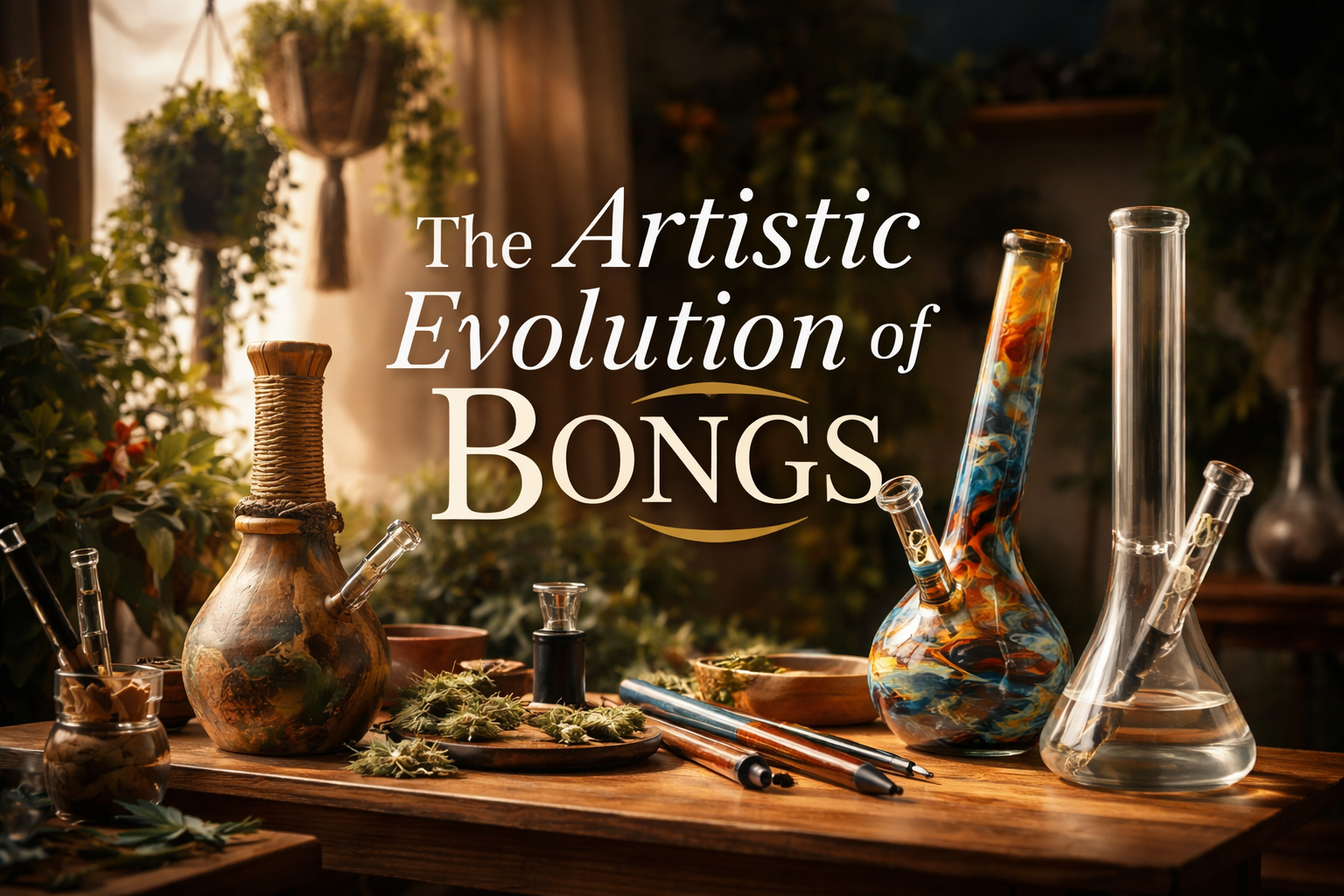
Origins: Water, Smoke, and Ritual
Even before the contemporary use of the word “bong” became widespread, people had long experimented with using water to alter smoke.
History records that water pipes arrived independently in Asia, Africa, and the Middle East. Early water pipes were linked to religious rituals that involved smoking as a practice used during rituals and not as a form of recreation.
Notice, too, how consistent the logic was across cultures, and water’s effect was to cool the smoke, soften it, and make it have different sensory properties. This was not, as far as anyone knows, a scientific process, but it was a logical extension of certain elements related to cooling and filtering out particles. The process of smoking was not hasty, but was methodical and frequently symbolic.
Often, these early water pipes are also communal, which is to say they serve to strengthen community. Thus, the origin of the bong is anything but individualistic or disposable. It is communal, intentional, and uniquely human.
Materials as Technology
When the design of the water pipe developed, the material became an integral part of its performance as well as its meaning. The first designs made use of readily available materials such as bamboo, clay, gourds, and stone. Each material had its own set of limitations, such as the retention of heat in the case of clay, the natural chamber in the case of bamboo, among others.
A major innovation came about with the use of borosilicate glass. This was first designed as laboratory equipment and offered many benefits, such as resistance to high temperatures, chemical durability, and workability as a material, to bongs as well. The quality of transparency alone was enough to make it an effective bong, as it allowed for the ability to monitor air and water flow as well as cleanliness without the need to remove the bong’s
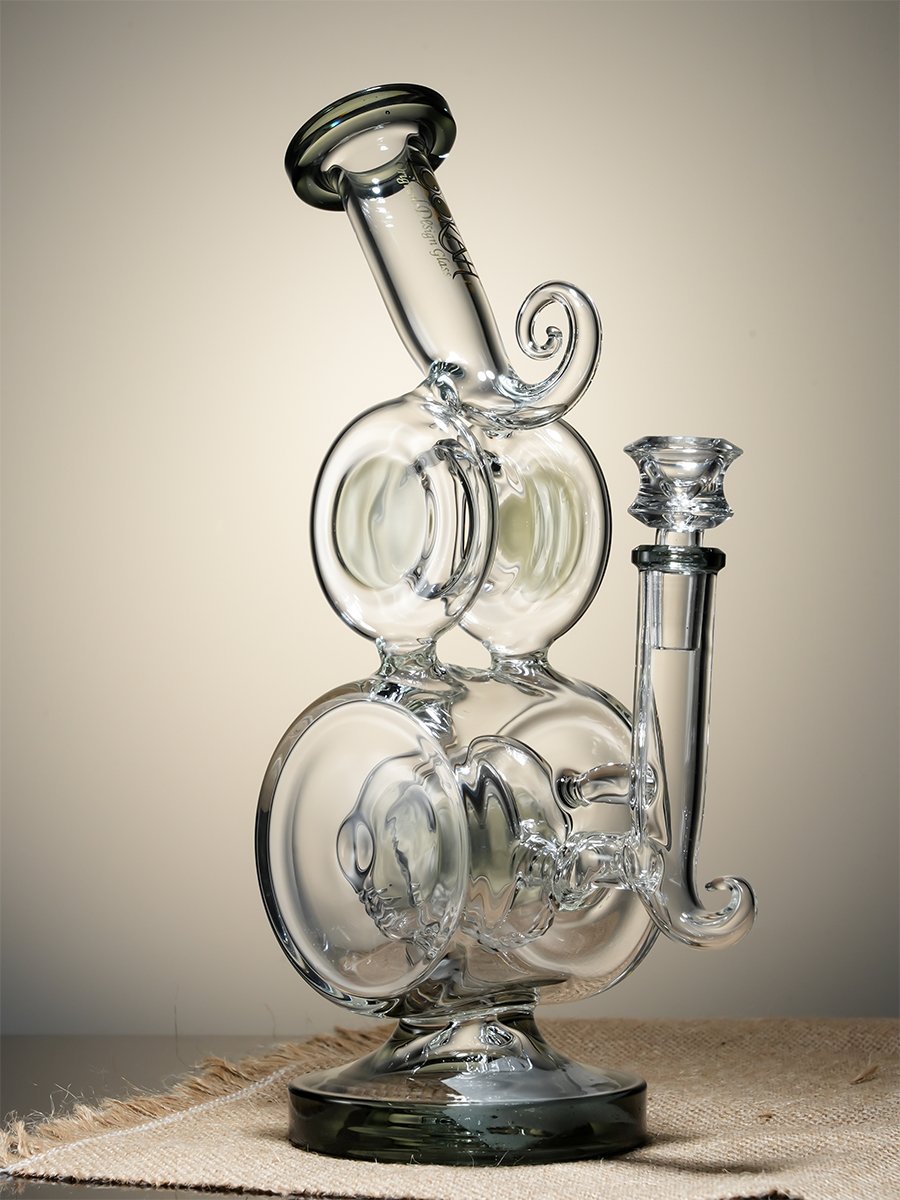
Contemporary bongs are more akin to experiments in fluid dynamics. The percolator, diffuser, recycler, or multi-chamber bongs are not mere aesthetic expressions of indulgence; they are serious devices that aim to control turbulence, friction, and cooling. The ideal bongs will carefully balance all these elements.
The Rise of the Glass Artist

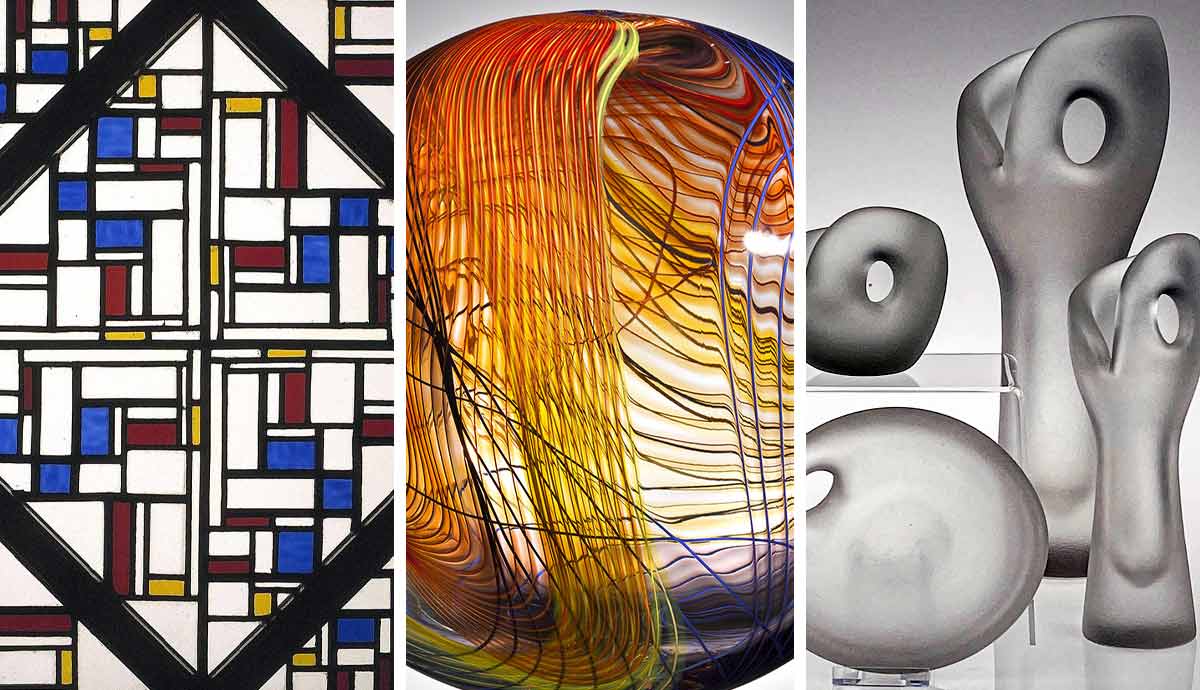
Glasswork led to the emergence of specialist glass artisans who worked on bongs as pieces of art rather than mass-produced items. Artistic glasswork techniques brought about color stratifying, symmetry, negative space, and balance in glass sculpture.
The artistic movement gave the bong a new cultural status. Signed works of art, limited editions, and distinctive styles gave bongs a status that made them collectibles. The focus changed from novelty to craftsmanship.
Notably, this development also brought with it an element that undermines stigma. When an object demonstrates skill, time, and discipline, it becomes more difficult to label it as ‘crude’ or ‘disposable.’ The use of high-end bongs in art studios or well-designed interiors is an indication that there has been a re-evaluation of items associated with cannabis.
Minimalism, Function, and Modern Taste

Side by side with intricate glass works of art, a more subdued approach to design has also found popularity: the concept of minimalism. Straight edges, simple glass, and unobtrusive size correspond with other design and architectural movements in modern times. These bongs emphasize harmony and simplicity.
The minimalist bong blends effortlessly into the living space. The bong ceases to be a thing that requires hiding to be functional. The bong is now a thing that belongs. The design of the bong transitions from something that requires concealment to something that belongs.
It also enhances performance. The fewer chambers, the easier it is to maintain. Nothing flows as it should. All parts have functional reasons to be there. There is no ornamentation.
Sustainability and Ethical Design
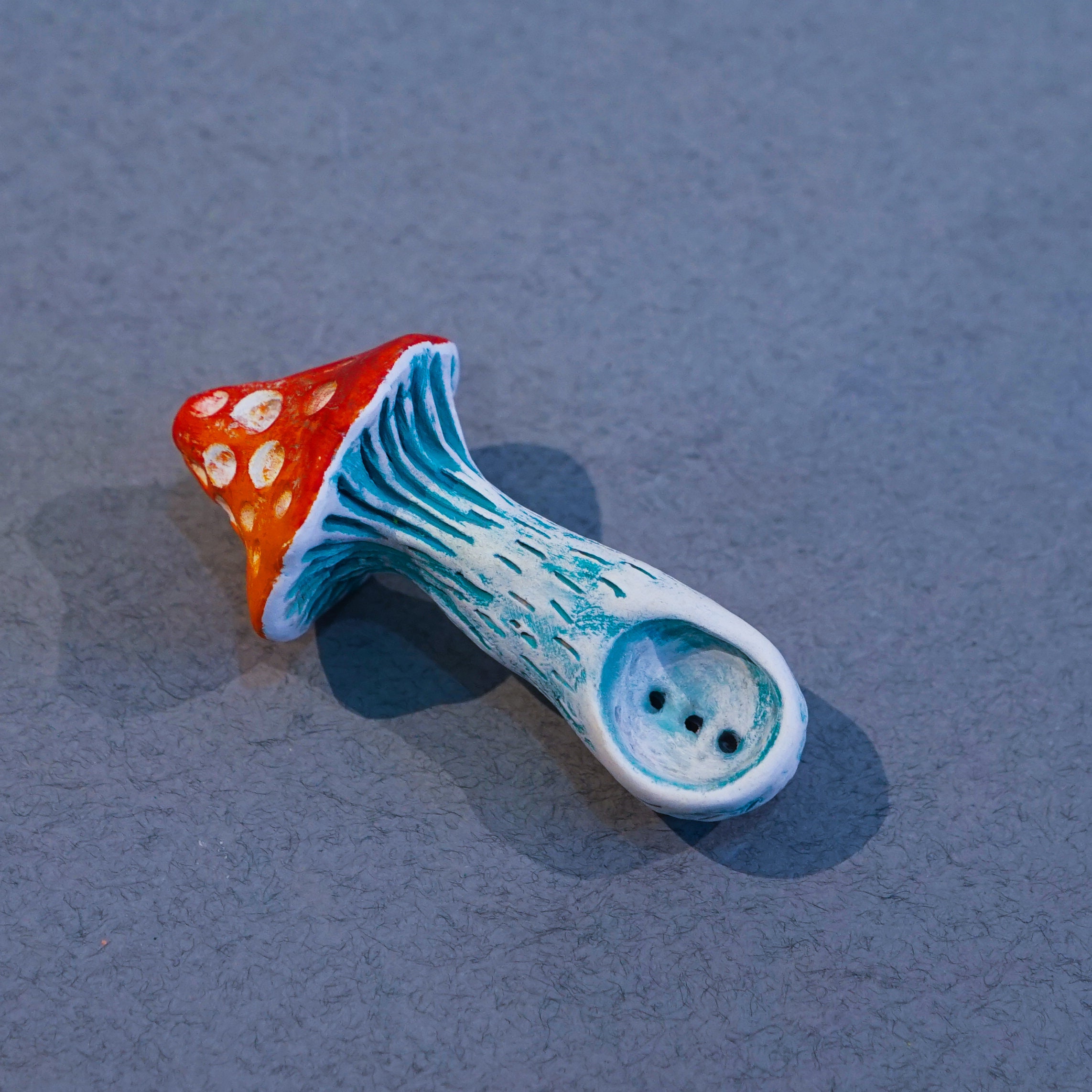
However, as awareness of the environment has increased, bong design has also started to take a more ethical stance. The issue of how long it will last and how easily it can be recycled is a consideration that is becoming much more important. Some designers are against disposable imports and are opting for pieces that are durable and domestically produced.
Some of the manufactures are reviving ceramic heritage, while others are emphasizing recycling glass, low waste, and “designing components to last longer.” The mindset has shifted from “accumulation” to “stewardship.”
It reflects the larger trends in conscious consumerism. A well-designed bong, if taken care of properly over the years, is a reflection of the values of mindful consumption and the avoidance of waste. It is in such a scenario that the notions of ‘sustainability’ as a branding strategy become obsolete, as it is instead a constraint on design.
Cultural Significance in the Present Day
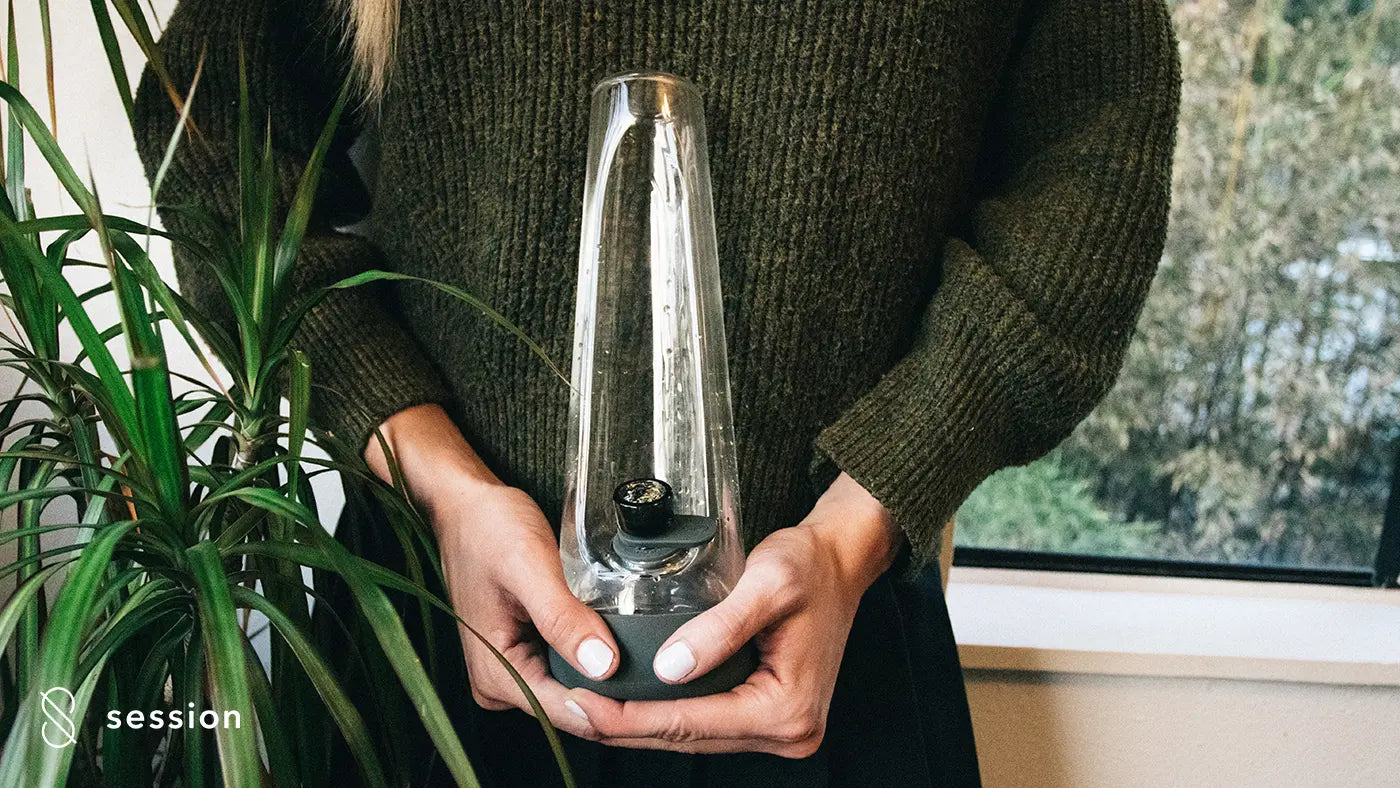
The bong is currently living within a very different cultural paradigm. This bong is both personal and social tool, design artifact, and political symbol. And as cannabis policy changes around the world, so does its visibility as well-crafted bongs.
The mirror to this culture relationship is found in the representation of bongs through media. Indeed, bongs are now no longer caricatured or presented humorously for the viewer’s entertainment. On the contrary, they appear alongside modernity. Yet no tradition will be accomplished here.
Similar to the transition that coffee makers or mixing tools experienced before them, bongs are coming from the niche culture realm and are now part of mainstream design consciousness—including maintaining their identity.
Where Craft Meets Experience

Bongs are best when they promote a slow experience. A good piece of waterpipe art encourages a certain amount of thought. The activity itself becomes part of the enjoyment.
It is here that craft and ritual meet. The bong is a mediator of intention and sensation, of physics and feeling. It is, thus, at the same time functional as well as symbolic, existing in the zone in between.
This is where design deserves to be considered: not for complicating, but for simplifying experience.
A Living Object, Still Evolving

The bong’s story is ongoing. New materials, changing laws, and evolving cultural attitudes will continue to shape its form. What remains constant is the impulse behind it: to refine experience through design.
Seen through this lens, the bong is not a relic or a novelty. It is a living object—shaped by human curiosity, craftsmanship, and the desire to bring intention to ritual.