

So you have typed “acheter THC vape France” into Google and wondered if you are about to get a visit from the gendarmerie. I get it. France has some of the strictest cannabis laws in Western Europe, and figuring out what is actually possible versus what is just theoretical can feel like trying to decode French bureaucracy after three glasses of Bordeaux.
Here is the straight-up guide: what the law actually says, what French consumers are really doing, and how to get THC vapes without ending up on the wrong side of a proces-verbal.
The Legal Reality: Is THC Legal in France?
Short answer: No. France has not legalized recreational THC. For the full picture, see our THC Vape Laws by European Country guide. Possession carries fines up to 3,750 EUR and potential prison time, though in practice, small amounts typically result in a 200 EUR amende forfaitaire (fixed fine) introduced in 2020.
But here is where it gets interesting — and why you are probably reading this.
- CBD is legal (below 0.3% THC). France is actually Europe’s largest CBD market, with over 1,800 CBD shops as of 2025.
- Medical cannabis has been under an experimentation (pilot program) since 2021, with France moving toward formal medical legalization in 2026.
- Decriminalisation debates are ongoing in the Assemblee Nationale, with growing public support — 51% of French adults now favor some form of legalization (IFOP, 2025).
- Enforcement is increasingly focused on dealers and trafficking, not individual consumers ordering small quantities online.
What French Consumers Are Actually Doing
France has an estimated 5 million regular cannabis users — the highest per capita in Europe despite the bans. They are not all buying from the guy on the corner.
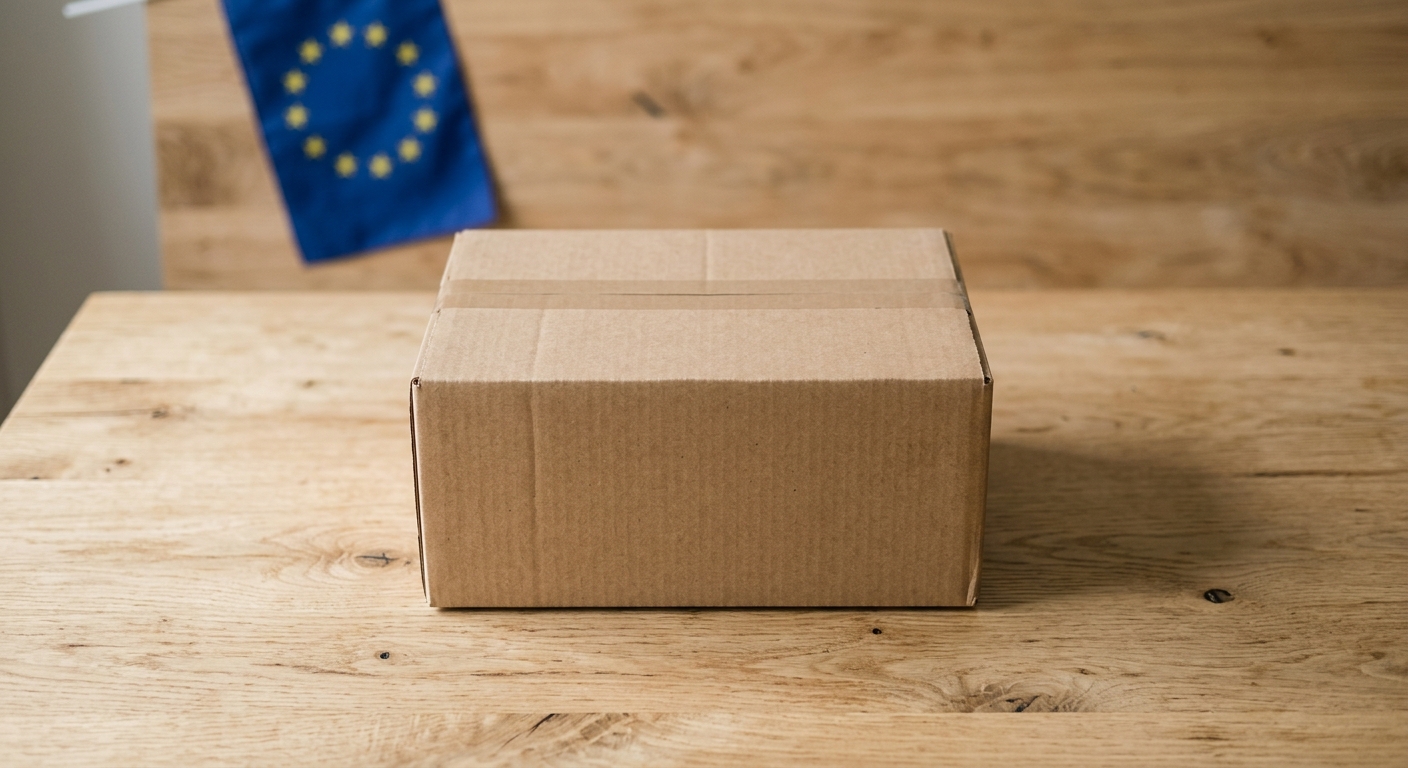
A growing number of French consumers order THC vape products online from EU-based suppliers. The Schengen zone means packages cross borders without routine customs checks, and discreet packaging makes personal-use quantities difficult to detect.
| Country | Cannabis Users (millions) | Legal Status |
|---|---|---|
| France | 5.0 | Illegal |
| Spain | 3.1 | Decrim / Clubs |
| Germany | 3.5 | Legal (2024) |
| Italy | 3.0 | Decrim |
| Netherlands | 1.2 | Tolerated |
Option 1: Order Online from EU Countries
This is the most common approach. Companies based in countries with legal frameworks — the Netherlands, Spain, and increasingly Germany — ship across Europe. Because France shares open borders with these countries under Schengen, cross-border shipping is straightforward.
When choosing a supplier, look for:
- Discreet packaging — no branding, no labels indicating contents
- EU-based shipping — avoids international customs declarations
- Tracked delivery — you know where your order is
- Lab-tested products — you are not vaping mystery oil
- Communication you understand — if something goes wrong
Vader Vapes ticks these boxes — EU-based, discreet shipping to France, lab-tested THC vape pens and cartridges, and a track record of reliable delivery to French addresses. They ship from within the EU so there is no customs declaration flagging your order.
| What to Look For | Why It Matters for France |
|---|---|
| EU-based warehouse | No customs declaration, no import tax |
| Discreet plain packaging | Does not attract attention in French post |
| Tracked shipping | You can follow your order to your door |
| Lab reports available | You know the THC content is accurate |

Option 2: Visit Neighbouring Countries
If you live near a border or are planning a trip:
- Spain — Cannabis social clubs operate legally (see our guide to buying THC vapes in Spain) in Barcelona and across Catalonia. You can join a club as a member and purchase THC products, including vapes. The closest legal-access country for much of southern France.
- Netherlands — Coffee shops in Amsterdam, Rotterdam, and border towns sell THC products openly. Some border-region shops now require proof of Dutch residence (the wietpas system), so research before you travel.
- Germany — Since April 2024, adults can possess (read our THC Vapes in Germany guide) up to 25g of cannabis and join cultivation clubs. Commercial sales are rolling out.
- Switzerland — Pilot cannabis shops opened in Basel, Zurich, and other cities in 2023/2024, with recreational sales available to registered participants. The easiest legal-access country for eastern France.
- Belgium and Luxembourg — Decriminalised personal use. Luxembourg legalized home cultivation in 2023.
Important: Bringing THC products back across the French border is technically illegal. People do it — French customs are not stopping every car on the A9 from Barcelona — but you should understand the risk.

Option 3: CBD Vapes (The Legal Alternative)
France’s CBD market is thriving. You can walk into a CBD shop on almost any high street (there are over 1,800 across the country, per the EMCDDA) — from Paris to Perpignan — and buy CBD vape cartridges, flowers, oils, and edibles completely legally. As long as the THC content is below 0.3%, it is treated like any other consumer product.
CBD will not get you high in the traditional sense, but many users report it provides relaxation, anxiety relief, and better sleep. If you want something you can use openly in France without any legal concern, this is your lane.
For THC effects, you will need Option 1 or 2. But CBD is a legitimate part of many people’s routine — and entirely above board in France.
France vs The Rest of Europe: At a Glance
| Country | Recreational THC | CBD | Online Access |
|---|---|---|---|
| France | Illegal (200 EUR fine typical) | Legal | Common from EU suppliers |
| Spain | Decrim / Clubs | Legal | Widely available |
| Germany | Legal (limited) | Legal | Growing fast |
| Italy | Decrim / grey area | Legal | Common |
| Netherlands | Tolerated | Legal | Established market |
| UK | Illegal | Legal | Common despite ban |
What About Customs? The Real Risk
Yes, French customs (douane) can intercept packages. In 2024, French customs seized approximately 41 tonnes of cannabis products — though the vast majority were commercial quantities, not personal-use vape orders.
Here is what experience shows:
- Intra-EU packages are not subject to routine customs inspection. Unlike packages from the US or China, EU-to-EU shipments do not go through a customs declaration process.
- Small, discreet packages rarely trigger attention. A padded envelope containing a vape pen does not look like a drug shipment.
- If seized, personal quantities typically result in a letter from customs — not a police visit. You lose the product, but legal consequences for genuinely personal amounts are rare.
- La Poste handles millions of packages daily. The odds of your specific order being flagged are very low.
This is not legal advice. You are responsible for understanding and accepting the risks.
How to Order Safely: Practical Checklist
- Order from within the EU only. Avoid anything shipping from the US, UK, or Asia — those packages face customs scrutiny.
- Keep orders small. Personal use quantities (1-3 vape pens or cartridges) do not look like commercial trafficking.
- Choose suppliers that use generic return addresses.
- Use a tracked shipping option. Lost packages raise more questions than delivered ones.
- Ship to a residential address. Not your workplace or a PO box.
- Pay with methods that use neutral billing descriptors.
Bottom Line
France is slowly moving toward a more rational cannabis policy, but for now, THC remains technically illegal for recreational use. That has not stopped 5 million French consumers from finding ways to access what they want — and online ordering from EU suppliers is by far the most common approach for THC vapes specifically.
The key is being smart about it: small orders, EU suppliers, discreet shipping. Millions of packages cross EU borders daily without issue, and a single vape pen in a padded envelope is a needle in a very large haystack.
Stay safe, stay informed, and as the French say — bon courage.
Disclaimer: This article is for informational purposes only. Cannabis laws vary by jurisdiction and change frequently. Always verify current regulations in your country before making any purchasing decisions. Nothing here constitutes legal advice.